Warning Signs It’s Time to Replace Your Boiler
The boiler is the most essential component of a home’s heating system. Boilers are usually working quietly everyday, heating the water and warming radiators. However, like any appliance, boilers don’t last forever. Recognising when it’s time to replace your boiler can save you money and ensure your home remains warm and comfortable. Let’s explore the…

Why you can trust our content
We understand that the roofing industry can be confusing, with plenty of outdated or misleading information. That’s why we rely only on trusted, proven sources to guide our advice and installations:

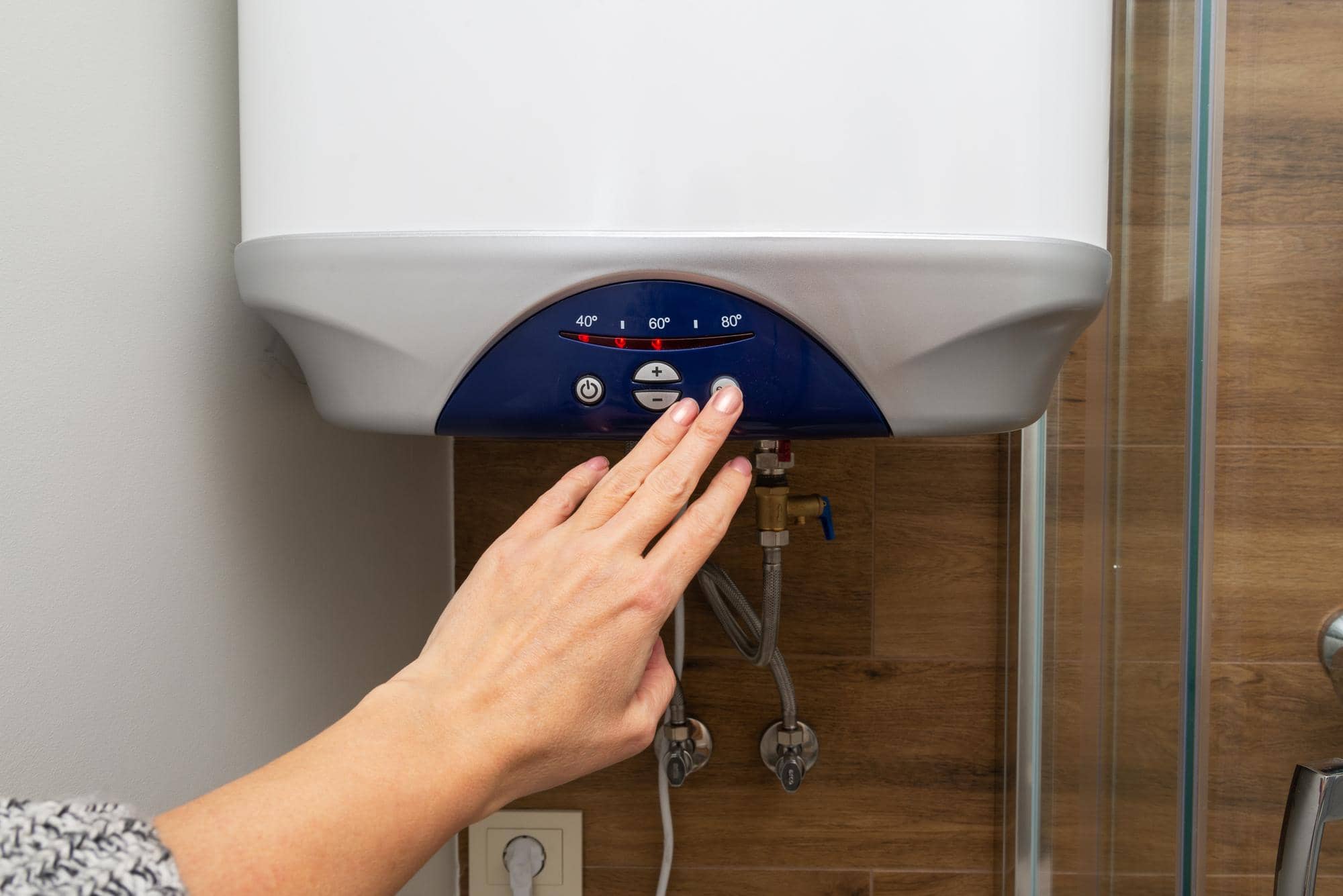
Stock photos have been used for illustration purposes only.
At a glance
The boiler is the most essential component of a home’s heating system. Boilers are usually working quietly everyday, heating the water and warming radiators. However, like any appliance, boilers don’t last forever. Recognising when it’s time to replace your boiler can save you money and ensure your home remains warm and comfortable. Let’s explore the key signs that your boiler might need replacing.
1. Your Boiler is Over 10-15 Years Old
The typical lifespan of a boiler is around 10-15 years, depending on the make, model and maintenance history. Older boilers are often less efficient, costing more to run and repair. Even if your boiler appears to be functioning, it’s worth considering an upgrade to a modern, energy-efficient model. Newer boilers are typically A-rated for efficiency and can save you a significant amount on your energy bills over time.
2. Increasing Energy Bills
If you’ve noticed your energy bills creeping up despite consistent usage, your boiler might be losing efficiency. As boilers age, their components wear out, making them work harder to produce the same amount of heat. This inefficiency not only affects your wallet but also increases your carbon footprint.
3. Frequent Breakdowns and Repairs
Regular breakdowns are a clear sign that your boiler is nearing the end of its life. While occasional repairs are to be expected, frequent callouts can quickly become expensive. If you find yourself repeatedly fixing the same issues or spending more than half the cost of a new boiler on repairs, it’s time to invest in a replacement.
4. Strange Noises
While no boiler is completely silent, unusual sounds like banging, whistling or gurgling could indicate a serious problem. These noises may be caused by internal components wearing out, sediment build-up, or even air in the system. Although some of these issues can be repaired, persistent noises are often a sign that your boiler is on its last legs.
What type of boiler do you currently have?

Combi Boiler

Regular Boiler

System Boiler

Back Boiler
It just takes 30 Seconds
And then you can book a free consultation
5. Uneven Heating in Your Home
If some rooms in your house feel colder than others, it might be a sign that your boiler is struggling to distribute heat effectively. Poor performance can be caused by wear and tear, blockages, or an inability to meet your home’s heating demands. A new boiler can resolve these issues, ensuring consistent warmth throughout your home.
6. Yellow Flame or Pilot Light Issues
A healthy boiler flame should burn bright blue. If you notice a yellow or orange flame, it could indicate incomplete combustion, which may lead to carbon monoxide production. Carbon monoxide is a highly dangerous gas that’s odourless and colourless. If your boiler’s pilot light frequently goes out or the flame changes colour, seek professional help immediately and consider a replacement.
7. Leaks and Corrosion
Water leaks around your boiler or visible signs of corrosion are clear indicators of serious issues. Leaks can damage other components, lead to inefficiency, and even cause structural damage to your home. While small leaks might be repairable, widespread corrosion often means your boiler needs to be replaced.
8. Outdated Technology
Older boilers lack the modern technology found in newer models, such as smart controls, weather compensation, and energy monitoring. These features not only improve convenience but also help optimise efficiency and reduce running costs. If your boiler doesn’t support these advancements, upgrading could be a wise decision.
9. Failing to Meet Your Heating and Hot Water Needs
If your boiler takes longer to heat up, struggles to provide enough hot water, or fails to keep your home warm, it’s time to consider a replacement. Boilers that can no longer cope with your household’s demands are not only inconvenient but also inefficient.
Key Signs You Need a New Boiler
- Your boiler is more than 10-15 years old.
- Energy bills are steadily increasing without a change in usage.
- Frequent breakdowns or repairs are required.
- Strange noises, such as banging or whistling are heard.
- Certain rooms in your home remain colder than others.
- The flame burns yellow or the pilot light frequently goes out.
- Water leaks or corrosion are present around the boiler.
- Your boiler lacks modern features like smart controls.
- Heating or hot water performance has noticeably declined.
Replacing your boiler might seem like a big expenditure, but it’s an investment, it can save you money and provide peace of mind in the long run. An energy-efficient boiler reduces your heating costs, lowers your carbon footprint, and ensures reliable performance. If you recognise any of the signs above, it’s worth consulting a professional heating engineer to discuss your options. Don’t wait for a complete breakdown—a proactive approach can prevent inconvenience and additional costs during the colder months. The team at Heatr will give you an honest opinion about replacing your boiler – contact us today, we cover Barnet, Borehamwood, Potters Bar, Finchley, Whetstone and surrounding areas.
Related articles

What type of boiler do you currently have?
Combi Boiler
Regular Boiler
System Boiler
Back Boiler
At a glance
The boiler is the most essential component of a home’s heating system. Boilers are usually working quietly everyday, heating the water and warming radiators. However, like any appliance, boilers don’t last forever. Recognising when it’s time to replace your boiler can save you money and ensure your home remains warm and comfortable. Let’s explore the key signs that your boiler might need replacing.
1. Your Boiler is Over 10-15 Years Old
The typical lifespan of a boiler is around 10-15 years, depending on the make, model and maintenance history. Older boilers are often less efficient, costing more to run and repair. Even if your boiler appears to be functioning, it’s worth considering an upgrade to a modern, energy-efficient model. Newer boilers are typically A-rated for efficiency and can save you a significant amount on your energy bills over time.
2. Increasing Energy Bills
If you’ve noticed your energy bills creeping up despite consistent usage, your boiler might be losing efficiency. As boilers age, their components wear out, making them work harder to produce the same amount of heat. This inefficiency not only affects your wallet but also increases your carbon footprint.
3. Frequent Breakdowns and Repairs
Regular breakdowns are a clear sign that your boiler is nearing the end of its life. While occasional repairs are to be expected, frequent callouts can quickly become expensive. If you find yourself repeatedly fixing the same issues or spending more than half the cost of a new boiler on repairs, it’s time to invest in a replacement.
4. Strange Noises
While no boiler is completely silent, unusual sounds like banging, whistling or gurgling could indicate a serious problem. These noises may be caused by internal components wearing out, sediment build-up, or even air in the system. Although some of these issues can be repaired, persistent noises are often a sign that your boiler is on its last legs.
What type of boiler do you currently have?
Combi Boiler
Regular Boiler
System Boiler
Back Boiler
It just takes 30 Seconds
And then you can book a free consultation
5. Uneven Heating in Your Home
If some rooms in your house feel colder than others, it might be a sign that your boiler is struggling to distribute heat effectively. Poor performance can be caused by wear and tear, blockages, or an inability to meet your home’s heating demands. A new boiler can resolve these issues, ensuring consistent warmth throughout your home.
6. Yellow Flame or Pilot Light Issues
A healthy boiler flame should burn bright blue. If you notice a yellow or orange flame, it could indicate incomplete combustion, which may lead to carbon monoxide production. Carbon monoxide is a highly dangerous gas that’s odourless and colourless. If your boiler’s pilot light frequently goes out or the flame changes colour, seek professional help immediately and consider a replacement.
7. Leaks and Corrosion
Water leaks around your boiler or visible signs of corrosion are clear indicators of serious issues. Leaks can damage other components, lead to inefficiency, and even cause structural damage to your home. While small leaks might be repairable, widespread corrosion often means your boiler needs to be replaced.
8. Outdated Technology
Older boilers lack the modern technology found in newer models, such as smart controls, weather compensation, and energy monitoring. These features not only improve convenience but also help optimise efficiency and reduce running costs. If your boiler doesn’t support these advancements, upgrading could be a wise decision.
9. Failing to Meet Your Heating and Hot Water Needs
If your boiler takes longer to heat up, struggles to provide enough hot water, or fails to keep your home warm, it’s time to consider a replacement. Boilers that can no longer cope with your household’s demands are not only inconvenient but also inefficient.
Key Signs You Need a New Boiler
- Your boiler is more than 10-15 years old.
- Energy bills are steadily increasing without a change in usage.
- Frequent breakdowns or repairs are required.
- Strange noises, such as banging or whistling are heard.
- Certain rooms in your home remain colder than others.
- The flame burns yellow or the pilot light frequently goes out.
- Water leaks or corrosion are present around the boiler.
- Your boiler lacks modern features like smart controls.
- Heating or hot water performance has noticeably declined.
Replacing your boiler might seem like a big expenditure, but it’s an investment, it can save you money and provide peace of mind in the long run. An energy-efficient boiler reduces your heating costs, lowers your carbon footprint, and ensures reliable performance. If you recognise any of the signs above, it’s worth consulting a professional heating engineer to discuss your options. Don’t wait for a complete breakdown—a proactive approach can prevent inconvenience and additional costs during the colder months. The team at Heatr will give you an honest opinion about replacing your boiler – contact us today, we cover Barnet, Borehamwood, Potters Bar, Finchley, Whetstone and surrounding areas.
Related articles
What type of boiler do you currently have?
Combi Boiler
Regular Boiler
System Boiler
Back Boiler